6 Tripod With Pan Head Options Reviewed for Every Setup

Affiliate disclosure: Some links on this page are affiliate links. If you buy through them we earn a small commission at no extra cost to you. Recommendations are research-driven; we don't claim personal use of every product reviewed. Product prices and availability are accurate as of the date published and are subject to change. Always check Amazon for current pricing before purchasing. Learn more.

Quick Picks
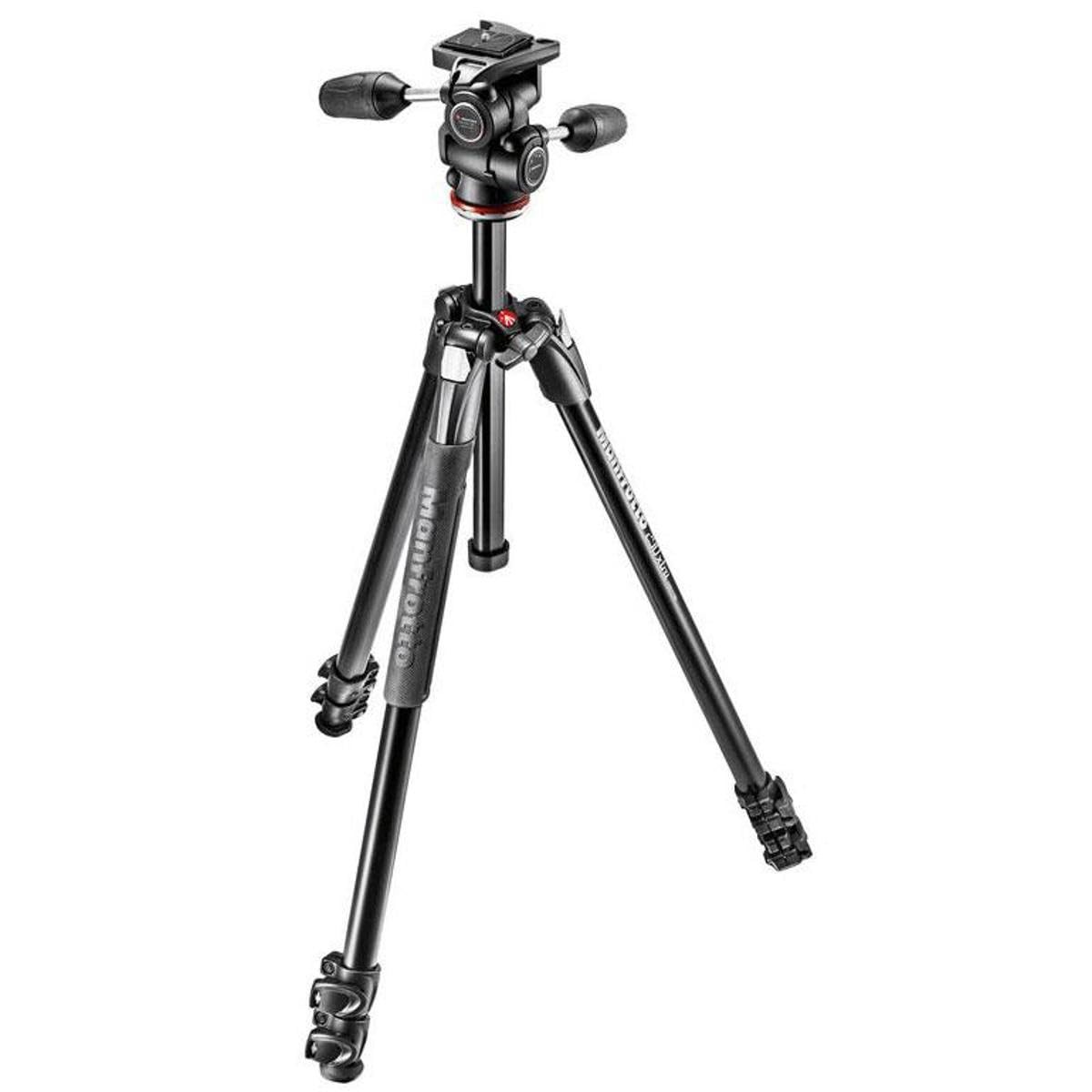
Manfrotto 290 Xtra Aluminum 3-Section Tripod Kit with 3-Way Head (MK290XTA3-3WUS), Black
Robust aluminum construction with adjustable leg locks and 4 selectable leg angles for versatile positioning
Buy on Amazon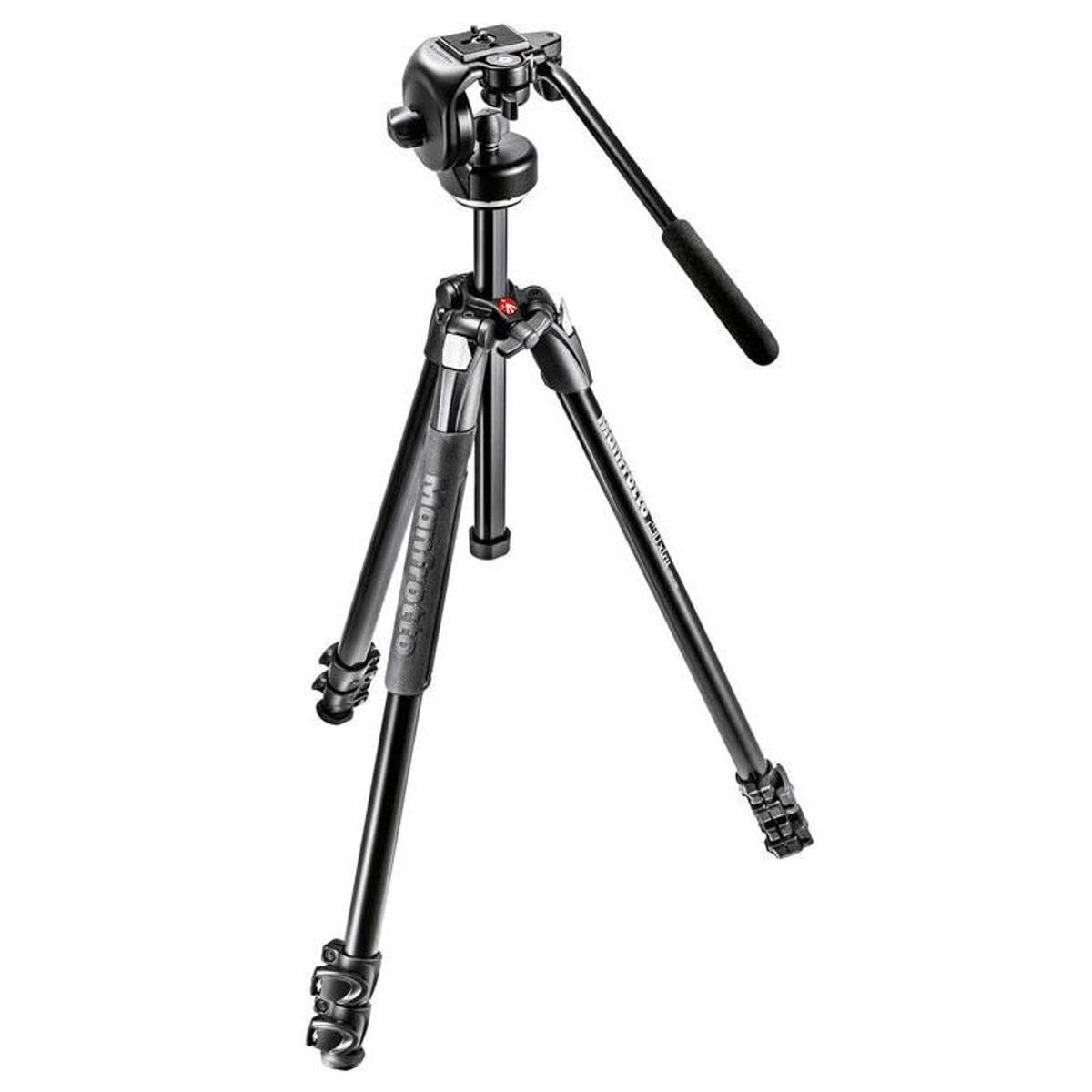
Manfrotto 290 Xtra Aluminum 3-Section Tripod Kit with Fluid Video Head (MK290XTA3-2WUS) Black
Wide height range of 15.9 to 67.5 inches suits a variety of shooting situations
Buy on Amazon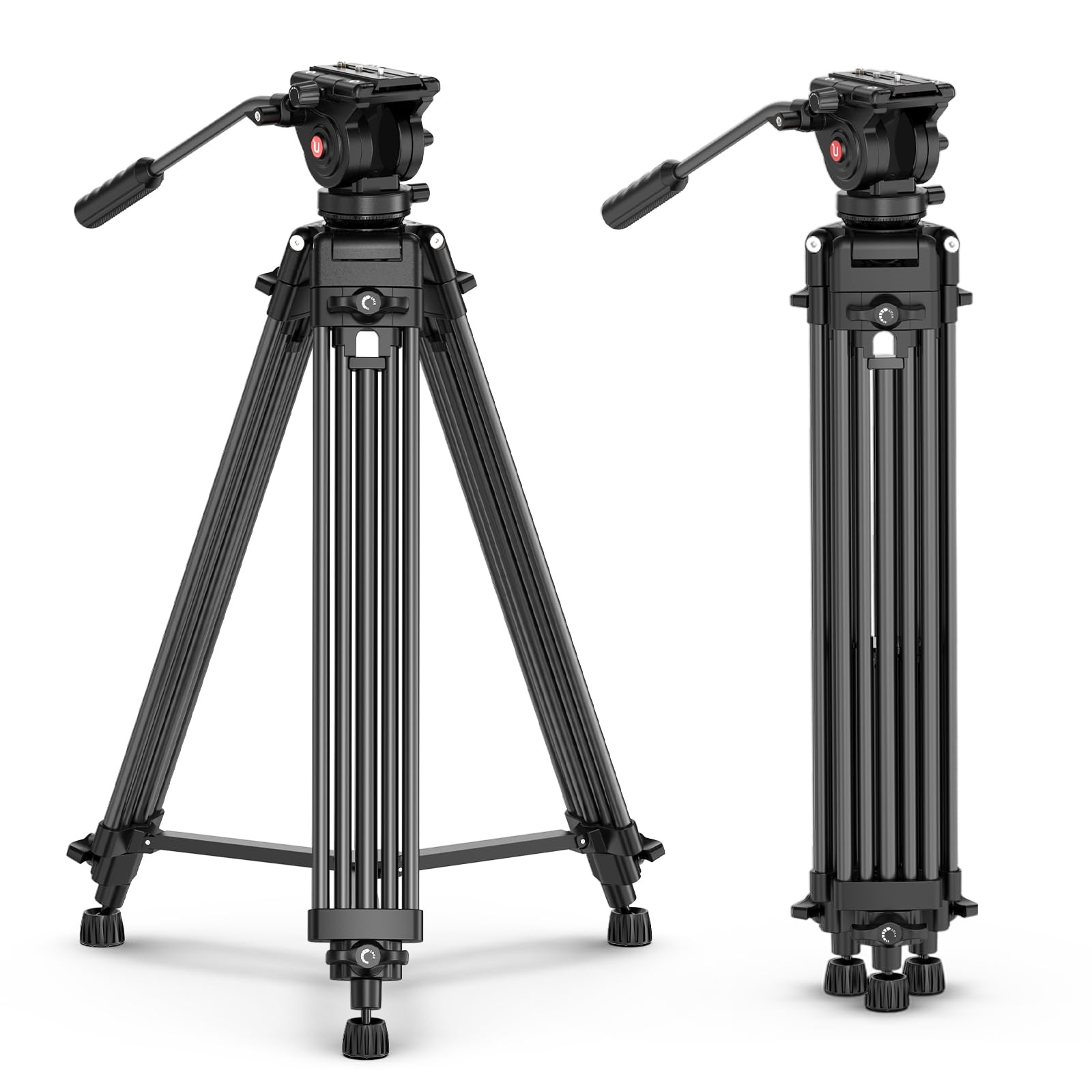
ULANZI MT-81 Camera Video Tripod with 360 Degree Fluid Head, 61inch/155cm Heavy Duty Aluminum Alloy Camera Tripod Stand, Quick Release Plate Compatible with DSLR Camcorder, Load Up to 17.6lb/8kg
Fluid head rotates 360° horizontally and tilts -70° to 90° vertically for flexible shooting angles
Buy on Amazon| Product | Price Range | Top Strength | Key Weakness | Buy |
|---|---|---|---|---|
| Manfrotto 290 Xtra Aluminum 3-Section Tripod Kit with 3-Way Head (MK290XTA3-3WUS), Black best overall | $$ | Robust aluminum construction with adjustable leg locks and 4 selectable leg angles for versatile positioning | Aluminum construction is heavier than comparable carbon fiber tripods | Buy on Amazon |
| Manfrotto 290 Xtra Aluminum 3-Section Tripod Kit with Fluid Video Head (MK290XTA3-2WUS) Black also consider | $$ | Wide height range of 15.9 to 67.5 inches suits a variety of shooting situations | Three-section legs offer less compact folding than four-section alternatives | Buy on Amazon |
| ULANZI MT-81 Camera Video Tripod with 360 Degree Fluid Head, 61inch/155cm Heavy Duty Aluminum Alloy Camera Tripod Stand, Quick Release Plate Compatible with DSLR Camcorder, Load Up to 17.6lb/8kg also consider | $$ | Fluid head rotates 360° horizontally and tilts -70° to 90° vertically for flexible shooting angles | Folds down to 31.5 inches, making it bulkier to transport than compact travel tripods | Buy on Amazon |
Choosing a tripod with a pan head means balancing three variables that rarely align perfectly: stability, weight, and the type of head that actually suits your shooting. Ball heads dominate still photography, fluid heads matter for video, and three-way pan heads occupy a middle ground that works surprisingly well for both. Getting this decision wrong means either lugging unnecessary weight on a trail or dealing with a head that fights you during a slow horizontal pan.
For long telephoto lenses, our guide to the best tripod gimbal heads covers load capacity and balance.
The three options covered here span carbon fiber travel builds, aluminum workhorses, and video-oriented platforms. They’re evaluated across payload capacity, extended and collapsed dimensions, leg-lock mechanisms, and the practical trade-offs between portability and stability. For a broader look at support systems across use cases, the Tripods hub covers the full range.
Top Picks
Manfrotto 290 Xtra Aluminum with 3-Way Head
The Manfrotto 290 Xtra with 3-Way Head is the most deliberate of the three 290 Xtra variants, the three-way pan/tilt head gives independent control over pan, tilt, and roll axes via separate handles. For photographers who set up a composition and need to make precise incremental adjustments, architectural work, product photography, tabletop macro, this control architecture is meaningfully better than a ball head. You’re not fighting one locked axis to adjust another.
The 290 Xtra aluminum platform itself is well-documented in the Manfrotto owner community. At just over 1.5 kg, it’s not a travel tripod, but it’s a genuinely stable platform for in-studio or on-location work where you’re not hiking. The three-section leg design extends to approximately 70 inches and collapses to a manageable 24 inches. Flip-lock leg sections deploy faster than twist locks, relevant for photographers who set up and strike repeatedly during a session.
The three-way head adds bulk and weight relative to the ball head variant, and the handles can be awkward in tight spaces. Owner consensus notes that the handles are sturdy and the pan movement is smooth, but acknowledges that the rig is not suited to spontaneous repositioning. This is a deliberate tool for deliberate shooters.
Check current price on Amazon.
Manfrotto 290 Xtra Aluminum with Fluid Video Head
Among the 290 Xtra family, the Manfrotto 290 Xtra with Fluid Video Head is the variant that makes sense when video is a primary use case rather than a secondary one. The fluid head introduces drag-controlled panning and tilting, the mechanism that distinguishes smooth cinematic movement from jerky repositioning. For hybrid shooters who run interviews, event coverage, or b-roll capture on a DSLR or mirrorless body, a true fluid head changes the output quality in ways that no amount of post-processing stabilization fully recovers.
The 290 Xtra platform carries this head with the same stability characteristics as the other variants, same leg section count, same flip locks, same aluminum construction. What changes is the top: the fluid cartridge adds resistance that can be adjusted to match the weight of the camera and lens combination. Verified buyers who use this for event videography consistently note the pan drag as the standout feature, smooth enough to pull off slow horizontal reveals without mechanical interruption.
The trade-off is the same as with all fluid heads: setting up a shot takes longer, and the head is heavier. For a photographer who occasionally shoots video, the 3-way or ball head variants are more versatile. For someone who shoots video regularly and needs controlled movement, the fluid head is the right head and the 290 Xtra platform is a solid, field-proven base for it.
Check current price on Amazon.
ULANZI MT-81 Camera Video Tripod
The ULANZI MT-81 occupies an interesting position: a 61-inch aluminum tripod with a 360-degree fluid head at a mid-range price point, targeting video-oriented shooters who aren’t ready to invest in a dedicated fluid head system. The 17.6 lb payload covers a typical mirrorless or DSLR video rig with a monitor and small on-camera light, which is the practical ceiling for this category of shooter. The fluid head mechanism delivers controlled panning that owner reviews describe as genuinely smooth for the price band, not Manfrotto-level, but meaningfully better than a standard friction ball head for video movement.
At 61 inches, the working height is practical. Collapsed dimensions are reasonable for transport in a rolling bag, though the aluminum construction means this is not a go-light travel option, it’s a base-of-operations or vehicle-transported kit piece. The quick-release plate is compatible with the Arca-Swiss standard, which matters for photographers who run multiple plates across different rigs and don’t want proprietary lock-in.
The aluminum leg sections use flip locks, which is the right call for a video tripod, fast deployment matters when you’re chasing a shot. Field reports from event videographers and vloggers note the platform is stable on flat surfaces but benefits from sandbag weighting in windy outdoor conditions. For a mid-range fluid head platform that covers YouTube production, event coverage, and short-form video, the MT-81 makes a credible case.
Check current price on Amazon.
Buying Guide
Head Type: Ball, Fluid, or Three-Way
Head type determines the workflow more than almost any other variable. Ball heads are the default for still photographers, one knob releases the ball, you reframe, you lock. The speed advantage is real and compounds over a long shoot. Three-way pan/tilt heads give independent axis control, which matters for architectural, product, and tabletop work where micro-adjustments in one axis shouldn’t disturb another. Fluid heads are for video: the drag mechanism produces smooth, cinematic movement that a ball head simply cannot replicate. Matching head type to your primary shooting style is more important than matching brand or build material.
A detail worth noting: many ball heads include a dedicated pan lock at the base, separate from the ball lock. This allows the ball to be locked while the pan axis remains free, effectively giving a ball head user access to a single-axis pan movement. It’s not a substitute for a true fluid head, but it handles horizontal panning for still photography without requiring a head swap.
Payload Capacity and Real-World Margins
Manufacturer payload ratings are maximums, not targets. Running a tripod head at 90-100% of rated capacity introduces flex and increases wear on the locking mechanism. The practical rule: size for the heaviest rig you’ll shoot and leave 30-40% headroom. A mirrorless body with a 24-70mm equivalent sits well under 3 lbs. A full-frame DSLR with a 70-200mm f/2.8 and an L-bracket approaches 7-8 lbs. A video rig with cage, monitor, and on-camera light can push past 12 lbs. Choosing the right payload tier for your actual kit prevents both head creep and premature wear.
Carbon Fiber vs. Aluminum: Weight vs. Cost
For tripods used in travel and trail contexts, carbon fiber’s weight advantage is significant: a carbon fiber leg set typically saves 30-40% compared to an equivalent aluminum build. That matters across a full day of hiking with a pack. Aluminum holds up better to incidental impact, a dropped tripod leg is more likely to ding than crack. Carbon fiber absorbs vibration slightly better, which helps in windy conditions. The cost premium for carbon fiber is real, and for studio or vehicle-transported use cases where weight isn’t a factor, aluminum is the more practical choice.
Leg Locks: Flip vs. Twist
Flip locks deploy faster and are easier to operate with cold or gloved hands. Twist locks are mechanically simpler, tend to maintain their feel longer over years of use, and are easier to service in the field. For video and event work where setup speed matters, flip locks are the better choice. For travel and landscape photographers who prioritize long-term reliability over rapid deployment, twist locks are defensible. Neither is categorically superior, the trade-off is real on both sides, and the right choice depends on the shooting context.
Collapsed Length and Travel Viability
The practical test for a travel tripod is whether it fits in a carry-on. Most airlines enforce a 22-inch maximum linear dimension for overhead bin bags. A tripod collapsed to 18-20 inches fits comfortably. One collapsed to 24 inches requires a checked bag or external attachment, which introduces risk and inconvenience. Carbon fiber tripods tend to achieve shorter collapsed lengths by virtue of thinner tube diameter and more leg sections. For photographers whose work takes them through airports, collapsed length is a specification worth checking explicitly, it’s not always listed prominently in product descriptions.
Frequently Asked Questions
What is the difference between a fluid head and a ball head on a tripod?
A ball head uses a single ball-and-socket joint that locks in any position with one knob, fast and flexible for still photography. A fluid head uses a drag-controlled cartridge that allows smooth, resistance-regulated movement along the pan and tilt axes, essential for video work where jerky movement is visible in the final footage. Still photographers rarely need a fluid head; video shooters who pan regularly will find the difference significant and immediate.
Is carbon fiber worth the premium over aluminum for a tripod?
For photographers who carry their tripod regularly on foot, trail hiking, travel, street photography, the weight savings carbon fiber delivers are meaningful over a full day. For studio use or vehicle-transported kits where packed weight isn’t a constraint, the cost premium isn’t justified by the use case. Carbon fiber also absorbs vibration marginally better, which is a secondary benefit for long-exposure and telephoto work. Owner consensus is that the upgrade is worthwhile for active outdoor use and less compelling for stationary studio work.
How do I choose the right payload capacity for my camera setup?
Add up the weight of your camera body, the heaviest lens you’ll mount, any accessories on the camera (L-bracket, battery grip), and the head itself if it’s rated separately. Then choose a tripod rated for at least 30-40% more than that combined weight. Operating near the maximum payload rating introduces flex in the head and accelerates wear on the locking mechanism. For a standard mirrorless kit with a mid-range zoom, most tripods in this roundup are appropriately rated.
Should I choose the Manfrotto 290 Xtra with a ball head or the three-way head?
The ball head variant suits photographers who shoot across multiple genres and value rapid reframing. The three-way head suits photographers who work in controlled environments, architecture, product photography, tabletop, and need precise independent axis adjustments. If you shoot video regularly, neither still-photography variant is the right answer; the fluid video head version of the 290 Xtra is built for that use case. For most general-purpose shooters, the ball head configuration offers broader versatility.
Can I use a pan head tripod for both stills and video?
Yes, with some trade-offs. A three-way pan/tilt head handles both uses reasonably well, deliberate panning for video is possible, and the independent axis control is useful for still composition work. A fluid head is better for video but slower for stills. A ball head is best for stills but won’t produce smooth video pans.
Manfrotto 290 Xtra Aluminum 3-Section Tripod Kit with 3-Way Head (MK290XTA3-3WUS), Black
- Robust aluminum construction with adjustable leg locks and 4 selectable leg angles for versatile positioning
- Complete kit including 3-way head and shoulder bag for convenient transport and storage
- Aluminum construction is heavier than comparable carbon fiber tripods
- 3-section leg design offers fewer height adjustment increments than 4- or 5-section alternatives
Manfrotto 290 Xtra Aluminum 3-Section Tripod Kit with Fluid Video Head (MK290XTA3-2WUS) Black
- Wide height range of 15.9 to 67.5 inches suits a variety of shooting situations
- Four adjustable leg angle positions increase setup flexibility on uneven terrain
- Three-section legs offer less compact folding than four-section alternatives
ULANZI MT-81 Camera Video Tripod with 360 Degree Fluid Head, 61inch/155cm Heavy Duty Aluminum Alloy Camera Tripod Stand, Quick Release Plate Compatible with DSLR Camcorder, Load Up to 17.6lb/8kg
- Fluid head rotates 360° horizontally and tilts -70° to 90° vertically for flexible shooting angles
- Compatible with Canon, Nikon, Sony and other DSLRs via both 1/4-inch and 3/8-inch quick-release plate screws
- Folds down to 31.5 inches, making it bulkier to transport than compact travel tripods
- Knob lock leg adjustment is slower to operate than quick-flip lever systems
Where to Buy
Manfrotto 290 Xtra Aluminum 3-Section Tripod Kit with 3-Way Head (MK290XTA3-3WUS), BlackSee Manfrotto 290 Xtra Aluminum 3-Section… on Amazon