6 Portable Camera Tripods for Different Shooting Styles

Affiliate disclosure: Some links on this page are affiliate links. If you buy through them we earn a small commission at no extra cost to you. Recommendations are research-driven; we don't claim personal use of every product reviewed. Product prices and availability are accurate as of the date published and are subject to change. Always check Amazon for current pricing before purchasing. Learn more.

Quick Picks
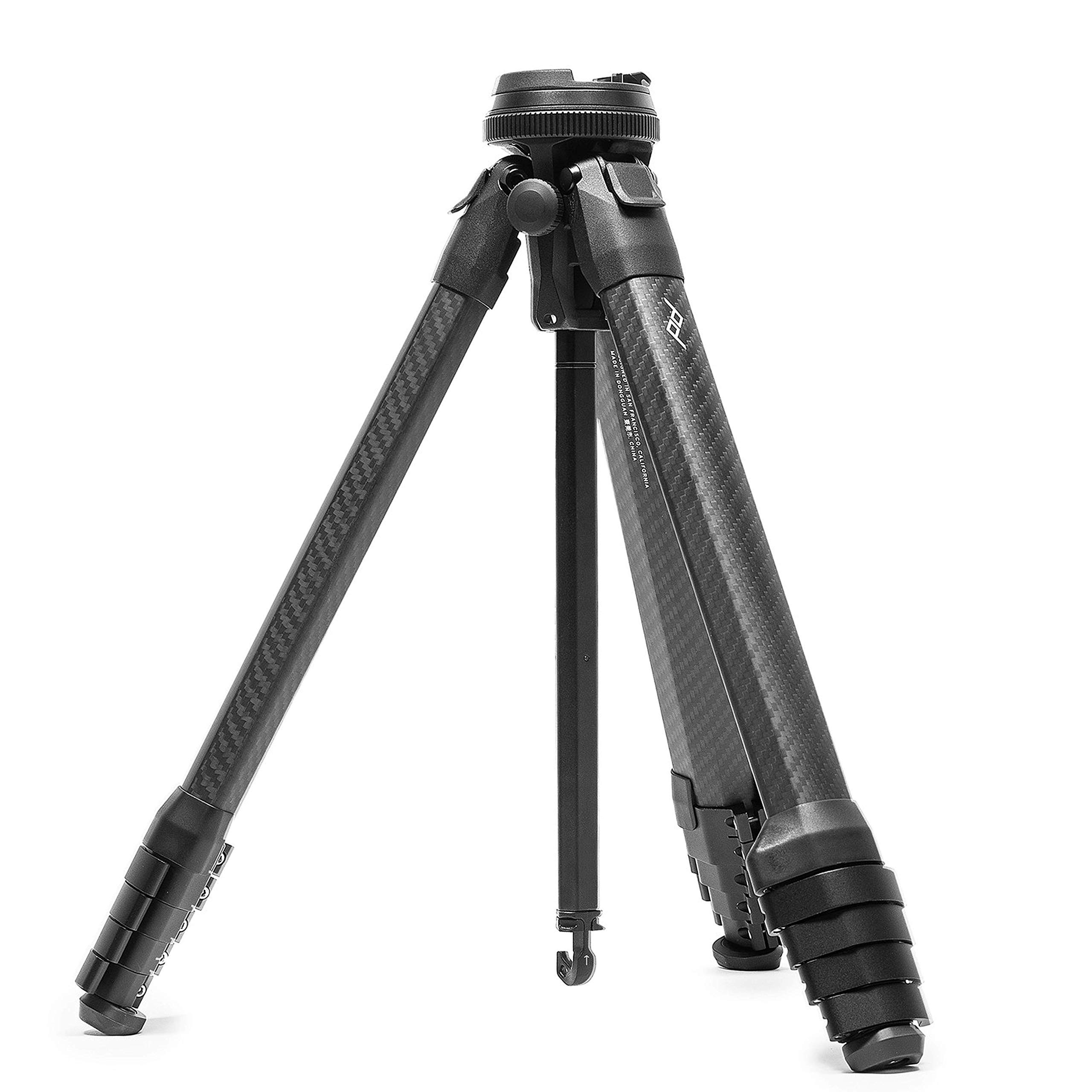
Peak Design Travel Tripod, Carbon Fiber, Compact Design, Quick Setup and Takedown, Pro-Level Stability, Ergonomic Ball Head, Compact and Portable Travel Tripod for Camera and Phone, 20 lb Capacity
Supports up to 20 lbs, accommodating full-frame DSLRs with telephoto lenses
Buy on Amazon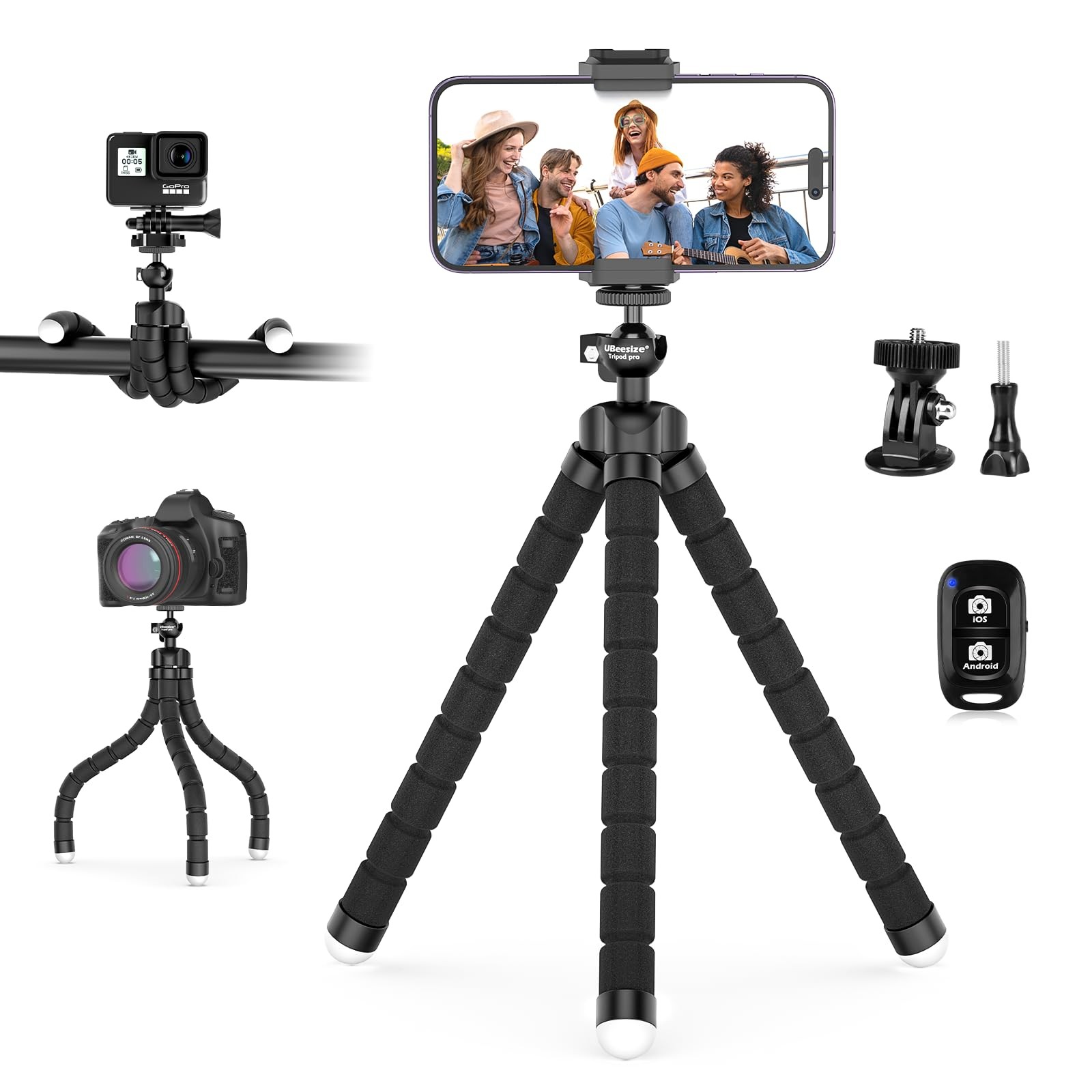
UBeesize Flexible Mini Phone Tripod, Portable and Adjustable Camera Stand Holder with Wireless Remote and Universal Clip, Compatible with Cellphones, Sports Cameras
Flexible octopus-style legs allow mounting on various surfaces and angles
Buy on Amazon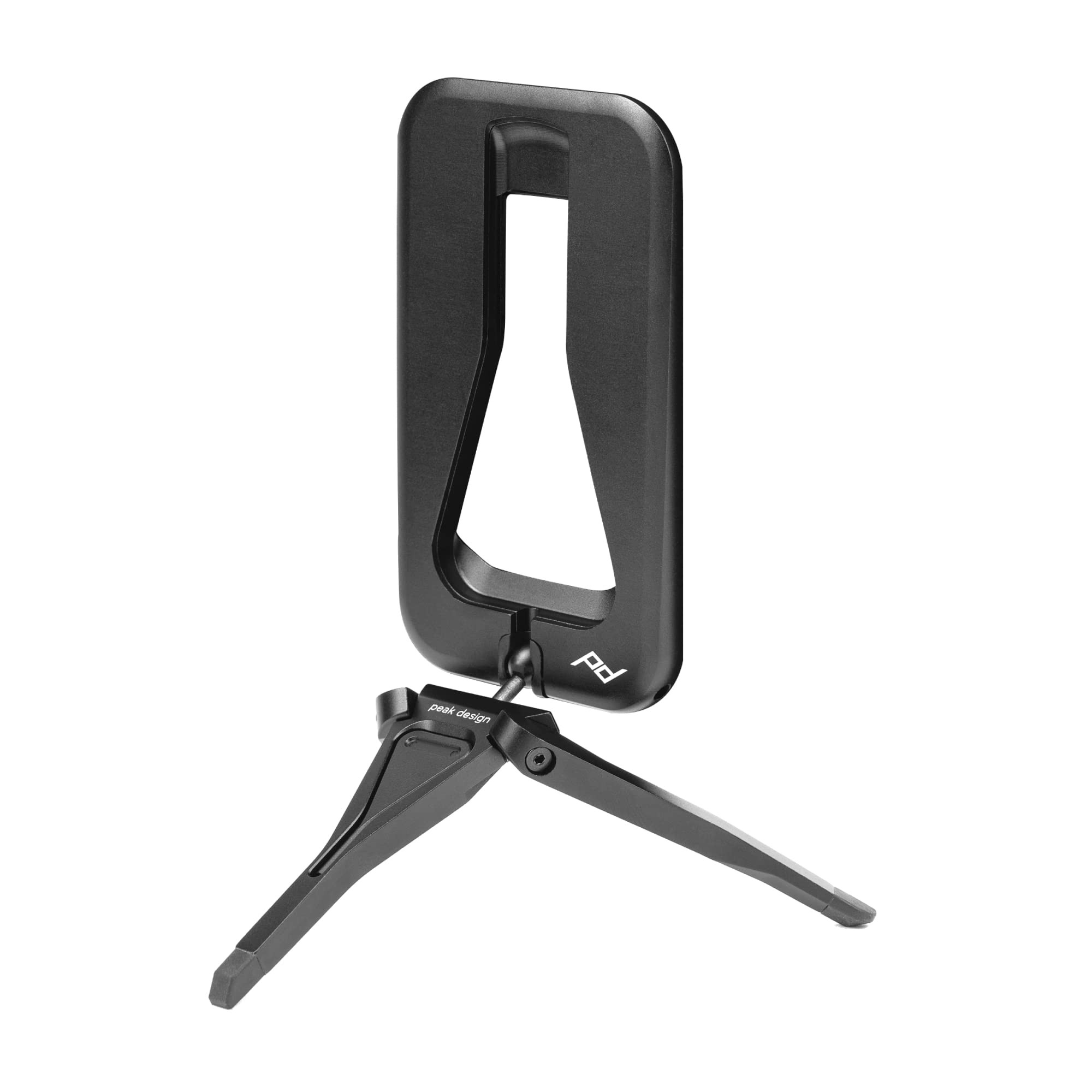
Peak Design Mobile Tripod, Black, Compact Design, Portable and Pocket Friendly, MagSafe Compatible, SlimLink Mounting, Use It as a 3-Legged Stand, Kickstand or Grip, Phone Tripod Stand
Folds to smaller than a deck of cards and stores on the back of your phone for constant portability
Buy on Amazon| Product | Price Range | Top Strength | Key Weakness | Buy |
|---|---|---|---|---|
| Peak Design Travel Tripod, Carbon Fiber, Compact Design, Quick Setup and Takedown, Pro-Level Stability, Ergonomic Ball Head, Compact and Portable Travel Tripod for Camera and Phone, 20 lb Capacity best overall | $$ | Supports up to 20 lbs, accommodating full-frame DSLRs with telephoto lenses | Carbon fiber construction places it in a higher cost tier compared to aluminum alternatives | Buy on Amazon |
| UBeesize Flexible Mini Phone Tripod, Portable and Adjustable Camera Stand Holder with Wireless Remote and Universal Clip, Compatible with Cellphones, Sports Cameras also consider | $$ | Flexible octopus-style legs allow mounting on various surfaces and angles | Limited to devices up to 3.7 inches wide, excluding larger phones or tablets | Buy on Amazon |
| Peak Design Mobile Tripod, Black, Compact Design, Portable and Pocket Friendly, MagSafe Compatible, SlimLink Mounting, Use It as a 3-Legged Stand, Kickstand or Grip, Phone Tripod Stand also consider | $$ | Folds to smaller than a deck of cards and stores on the back of your phone for constant portability | Requires Peak Design cases or MagSafe-compatible phones for mounting | Buy on Amazon |
Choosing a portable camera tripod is less about finding the lightest option and more about matching the right design to how you actually shoot. Payload capacity, collapsed length, and leg-lock mechanism all interact in ways that matter differently depending on whether you’re hiking to a landscape location, shooting video in a hotel room, or stabilizing your phone for a quick social clip.
The three picks below cover the range from full-height carbon fiber travel tripods to pocket-friendly phone stands, each suited to a distinct set of shooting priorities. For a broader look at support options across categories, the Tripods hub has a complete breakdown by use case.
Top Picks
Peak Design Travel Tripod, Carbon Fiber
The Peak Design Travel Tripod in carbon fiber is designed for the buyer who has decided that their tripod needs to disappear into their pack rather than dictate bag choice. The collapsed form factor is genuinely unusual, the legs fold back against the center column in a way that produces a much shorter packed length than conventional twist-lock designs achieve at comparable extended height.
The 20-pound load rating is more than sufficient for any mirrorless or DSLR system a travel photographer is likely to carry. The ball head is integrated into the design rather than bolted on top, which keeps the packed profile clean and reduces flex at the head-column junction, a point verified buyer accounts and DPReview community discussion both note consistently. Setup and breakdown are faster than most three-section twist-lock alternatives once the mechanism becomes familiar.
The trade-off is real: this is a premium-tier tripod, and the price reflects the engineering. For buyers who will use a tripod heavily across trips and want a design that handles carry, setup, and stability without compromise, the case for the carbon fiber Peak Design is strong. For buyers who need a capable travel tripod but use it occasionally, the aluminum version below is worth serious consideration.
Check current price on Amazon.
Peak Design Mobile Tripod
The Peak Design Mobile Tripod is not a conventional tripod, it’s a form-factor rethink for the MagSafe-ecosystem photographer who primarily shoots on a phone. The SlimLink magnetic mounting system means no universal clip clamping, no threading, and no alignment ritual: the phone seats and removes with a single motion, which matters in fast-moving situations.
The three-legged stand, kickstand, and grip modes give it enough versatility that it functions as a pocketable support rather than a single-purpose stand. That versatility has limits: this is not a platform for a mirrorless camera, and it doesn’t reach the heights or carry the payloads that even a compact full-height tripod does. The buyer this is designed for knows they’re building a phone-native shooting kit and wants a support solution that matches the portability logic of their primary device.
MagSafe compatibility is currently iPhone-specific, and Android users will need the clip adapter, which adds a step to the otherwise seamless mounting experience. For iPhone shooters invested in the MagSafe ecosystem, the integration is genuinely clean, owner accounts describe the snap-and-shoot workflow as the main reason they reach for this over a conventional mini tripod with a clip.
Check current price on Amazon.
UBeesize Flexible Mini Phone Tripod
The UBeesize Flexible Mini Phone Tripod is the most accessible entry point in this group, a flexible-leg mini tripod with a wireless remote and universal clip designed primarily for phone users who want basic stabilization and remote shutter capability without the investment of a premium support system.
The flexible legs wrap around surfaces, poles, or uneven objects in ways a rigid tripod can’t, which is genuinely useful for outdoor and adventure content where a flat surface isn’t available. The wireless remote addresses one of the main practical pain points of solo shooting: triggering the shutter from outside the frame without relying on a self-timer delay. Owner reviews are consistently positive on these two specific features, flexibility and remote pairing, and consistently note that the clip grip is secure enough for most phone sizes but benefits from careful checking with heavier cases.
This is not a tripod for DSLR or mirrorless shooters. It doesn’t have the payload or rigidity for camera systems heavier than a compact or lightweight mirrorless at most, and the flexible legs prioritize adaptability over the locked-in stability that long exposures require. For the buyer whose primary camera is their phone and who wants a lightweight, bag-friendly support with remote shooting capability, field reports support this as a strong fit.
Check current price on Amazon.
Buying Guide
Payload Capacity: Match the Tripod to Your Heaviest Rig
The load rating printed on a tripod spec sheet is a maximum, not a recommendation. A stable working load is generally considered to be around half to two-thirds of the stated maximum, a tripod rated for 15kg offers meaningfully more real-world stability with a 1.5kg mirrorless body than with a 7kg telephoto setup, even if both are technically within spec.
Before choosing a tripod, identify your heaviest shooting configuration: body, heaviest lens, and any attached accessories (microphone, monitor, cage). That number, not your lightest kit, should be your load reference when reading tripod specifications.
Collapsed Length and Travel Compatibility
Collapsed length matters more than most buyers weight it during research. A tripod that fits inside a carry-on camera bag eliminates checked baggage decisions on every trip. One that requires external mounting on a pack adds friction to every move through a busy airport or trail approach.
Most full-height travel tripods collapse to between 12 and 18 inches. The conventional three-section designs with lever or twist locks tend toward the longer end of that range; designs like the Peak Design reverse-fold mechanism achieve shorter packed lengths at comparable extended heights. If your camera bag has a specific tripod sleeve or a maximum internal length, measure that constraint before comparing options.
Leg-Lock Mechanisms: Twist vs. Lever
Twist locks are lighter, more weather-resistant, and less likely to catch on bag fabric or clothing. Lever locks are faster to deploy if your fine motor control is compromised by cold or gloves, and they provide a clearer tactile confirmation that the leg is secure. Neither is universally better, the right choice depends on the conditions you shoot in most often.
For more context on how different leg-lock types perform across tripod categories, the Tripods hub covers this in the context of specific product families. Cold-weather shooters and those who shoot frequently in rain tend to report higher satisfaction with twist-lock designs; photographers who need to set up and break down quickly at events often prefer levers.
Extended Height and Shooting Comfort
A tripod that reaches eye level without extending the center column is more stable than one that relies on column extension to reach usable height. Center columns introduce a lever-arm effect that amplifies vibration, particularly relevant for long exposures or telephoto work where small movements matter.
The practical floor for most standing shooters is around 55-60 inches to the ball head without column extension. Tripods that reach that height on leg extension alone give you the option to leave the column at minimum for maximum rigidity, then extend it only when the shooting position demands it.
Weight Trade-offs: Carbon Fiber vs. Aluminum
Carbon fiber construction reduces weight without sacrificing rigidity, and it also damps vibration more effectively than aluminum, a meaningful difference for long-exposure and video work. The weight reduction is most noticeable when carrying the tripod for extended distances.
Aluminum tripods offer the same core functionality at lower cost. For photographers who primarily drive to locations or carry their tripod for short distances between a car and a shooting position, the weight premium of carbon fiber may not justify the price difference. For hikers, backcountry photographers, and frequent travelers who carry gear on their body for hours, the weight savings accumulate in ways that become very apparent over a season of shooting.
Frequently Asked Questions
What payload capacity do I actually need for a mirrorless camera with a kit lens?
The more relevant question is whether you plan to add accessories, a larger telephoto lens, a video cage, or an on-camera monitor can push the combined load meaningfully higher. A tripod rated for at least 8-10kg provides comfortable headroom for a fully accessorized mirrorless rig without operating near the load limit.
How does the Peak Design Travel Tripod differ from a conventional travel tripod?
The key difference is the leg-fold mechanism. Conventional tripods fold their legs downward alongside the center column, producing a packed length roughly equal to one leg section. The Peak Design folds its legs upward and against the column, resulting in a significantly shorter packed form factor at the same extended height. This comes with a different setup motion that takes a few uses to internalize, but the packed dimensions are genuinely smaller than what most twist-lock designs achieve at comparable height and load capacity.
Is a tabletop tripod a practical substitute for a full-height tripod when traveling light?
For specific use cases, product photography, close-up video, overhead shots, or content creation in a limited space, a tabletop tripod like the SMALLRIG Portable Carbon Fiber Tabletop Tripod Kit handles the task more cleanly than a full-height tripod at minimum column extension. It is not a substitute for landscape work, architecture photography, or any situation where eye-level framing from a standing position is required. Most travel photographers who use both carry a tabletop tripod as a secondary support rather than a replacement.
Can the UBeesize flexible tripod hold a mirrorless camera?
The UBeesize is designed primarily for smartphone use and lighter compact cameras. The flexible leg design prioritizes adaptability over rigid load-bearing, and owner reports indicate inconsistent stability with anything heavier than a small point-and-shoot or compact system camera. For a mirrorless body, even a lightweight APS-C system, a conventional rigid tripod with a rated load capacity appropriate to the camera’s weight is the more reliable choice. The UBeesize is strongest as a phone-specific or ultra-compact support.
Does carbon fiber actually make a measurable difference compared to aluminum for camera support?
Carbon fiber reduces weight and dampens vibration more effectively than aluminum, both of these have practical consequences for photography. The vibration damping matters most for long exposures and telephoto video work, where residual vibration from mirror slap, wind, or accidental contact takes longer to settle in an aluminum design. The weight difference is most meaningful over long carries. For occasional use at close-to-vehicle locations, the performance gap is real but modest; for regular backcountry or travel use, the difference compounds across a season.
Peak Design Travel Tripod, Carbon Fiber, Compact Design, Quick Setup and Takedown, Pro-Level Stability, Ergonomic Ball Head, Compact and Portable Travel Tripod for Camera and Phone, 20 lb Capacity
- Supports up to 20 lbs, accommodating full-frame DSLRs with telephoto lenses
- Packs down to water-bottle diameter with a quick-release lever system for fast deployment
- Carbon fiber construction places it in a higher cost tier compared to aluminum alternatives
- Single-ring omnidirectional ball head offers no separate pan lock for dedicated panoramic shooting
UBeesize Flexible Mini Phone Tripod, Portable and Adjustable Camera Stand Holder with Wireless Remote and Universal Clip, Compatible with Cellphones, Sports Cameras
- Flexible octopus-style legs allow mounting on various surfaces and angles
- Includes wireless remote with up to 30 ft range for hands-free shooting
- Limited to devices up to 3.7 inches wide, excluding larger phones or tablets
- Flexible mini form factor sacrifices the height and rigidity of a full-size tripod
Peak Design Mobile Tripod, Black, Compact Design, Portable and Pocket Friendly, MagSafe Compatible, SlimLink Mounting, Use It as a 3-Legged Stand, Kickstand or Grip, Phone Tripod Stand
- Folds to smaller than a deck of cards and stores on the back of your phone for constant portability
- Functions as a tripod, kickstand, or grip with adjustable aluminum legs and a micro ball head
- Requires Peak Design cases or MagSafe-compatible phones for mounting
- Premium precision-machined aluminum construction places it in a higher cost tier
Where to Buy
Peak Design Travel Tripod, Carbon Fiber, Compact Design, Quick Setup and Takedown, Pro-Level Stability, Ergonomic Ball Head, Compact and Portable Travel Tripod for Camera and Phone, 20 lb CapacitySee Peak Design Travel Tripod, Carbon Fib… on Amazon