
Nikon Z6 III Camera Review: Hybrid Stills and Video Performance

Affiliate disclosure: Some links on this page are affiliate links. If you buy through them we earn a small commission at no extra cost to you. Recommendations are research-driven; we don't claim personal use of every product reviewed. Product prices and availability are accurate as of the date published and are subject to change. Always check Amazon for current pricing before purchasing. Learn more.

Reliable autofocus performance
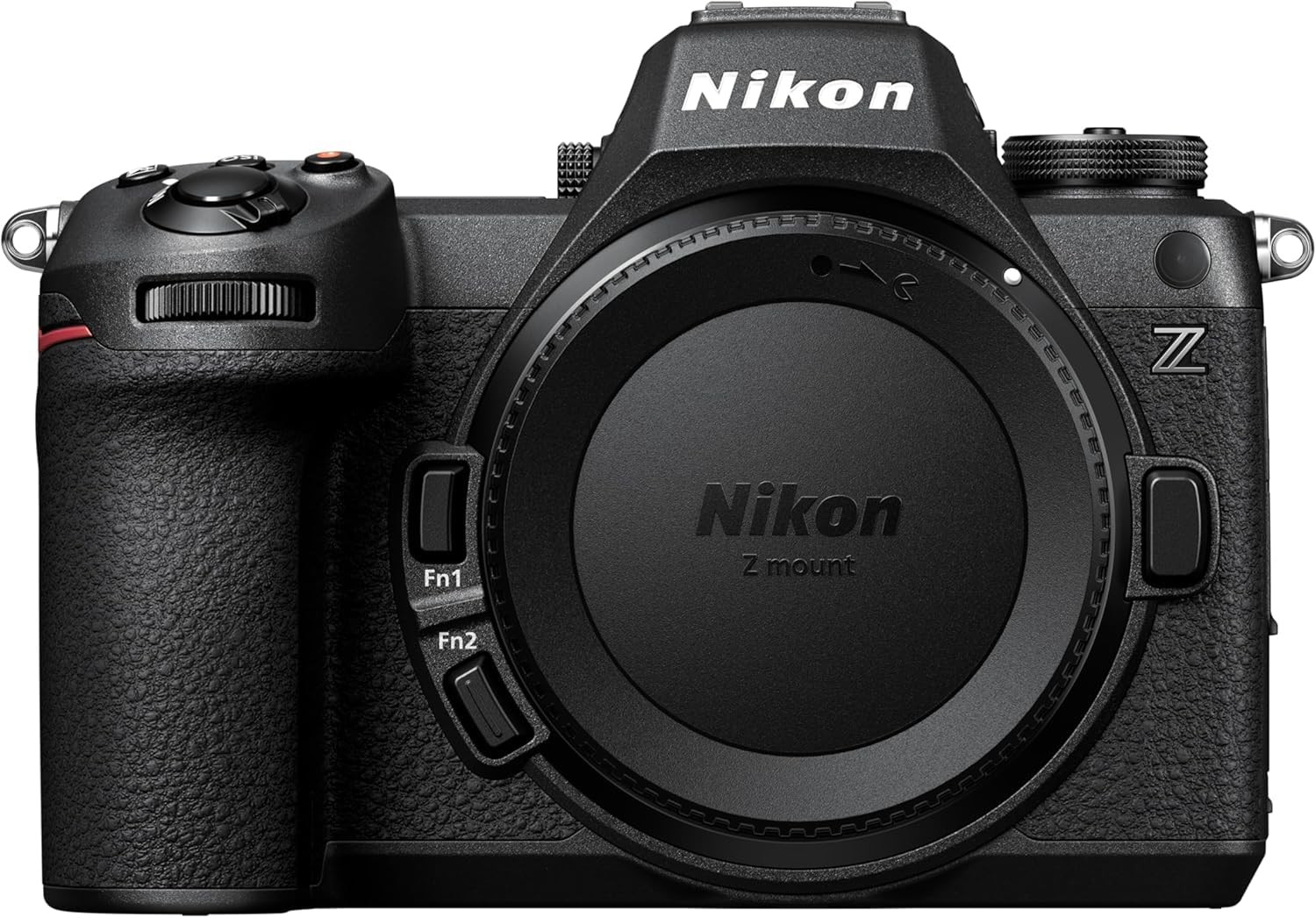
See Nikon Z6 III, Black | Full-Frame Mirr… on AmazonThe Nikon Z6 III represents Nikon’s most significant update to its hybrid full-frame mirrorless line , a partially stacked sensor, overhauled autofocus, and 6K internal RAW video in a body sized for all-day carry. For buyers already invested in the Nikon camera ecosystem or evaluating whether to enter it, the Z6 III sits at a genuinely interesting intersection of stills performance and video capability.
Understanding where the Z6 III fits means knowing what it replaced and what else Nikon offers at adjacent price points. This guide covers the Z6 III itself alongside the original Z6 and the Z6II , three generations that define different moments in Nikon’s mirrorless evolution.
What to Look For in a Full-Frame Mirrorless Camera Body
Sensor Architecture and How It Affects Real-World Performance
Sensor design determines more than resolution. Readout speed , how quickly the sensor captures image data , shapes everything from rolling shutter behavior in video to burst shooting buffer depth to the viability of electronic shutter in fast-moving scenes. A partially or fully stacked sensor reads data significantly faster than a conventional BSI design, which matters most to hybrid shooters who move between video and sports or event photography.
Verified buyers across the Nikon Z lineup consistently note the difference between generations on this front. The shift from a standard BSI sensor to a partially stacked architecture is not marketing language , it produces measurable reductions in rolling shutter distortion and unlocks higher burst rates without mechanical shutter wear. For buyers who shoot primarily static subjects in controlled light, that difference is minor. For everyone else, it is foundational.
Autofocus System Depth and Subject Detection
Phase-detection autofocus coverage across the sensor frame is now table stakes for any full-frame mirrorless body in the premium tier. What differentiates systems is subject detection reliability , how accurately the camera identifies and locks onto eyes, faces, animals, and vehicles in real shooting conditions, not laboratory benchmarks.
Owner reports across the Z6 and Z6II generations point to solid but not class-leading autofocus in the first two iterations. The Z6 III’s AI-driven subject detection represents a substantive upgrade , r/Nikon community threads document consistent improvement in low-contrast and backlit subject tracking. Buyers whose primary use is portraiture, events, or wildlife should weight this criterion heavily in their decision.
Weather Sealing and Build Quality
All three bodies covered here carry weather sealing, but the degree of protection varies by generation and matters in context. Magnesium alloy construction with sealed button and dial interfaces provides meaningful protection against dust ingress and light moisture. It is not waterproofing , none of these bodies are designed for rain-soaked submersion , but it is adequate for shooting in variable outdoor conditions without protective housing.
Build quality also affects long-term reliability. The Z6 III’s refined body construction reflects lessons from the Z6 and Z6II in grip ergonomics and control placement. Photographers who spend full days shooting events or travel report that the ergonomic refinements compound over hours of use in ways that spec sheets do not capture.
Lens Ecosystem and Mount Compatibility
The Nikon Z mount is the foundation all three bodies share. The Z mount’s wide diameter and short flange distance create optical advantages , particularly for fast primes , that Nikon’s lens designers have exploited consistently across the S-Line. The native Z lens catalog has expanded substantially since the original Z6 launched in 2018, and the FTZ adapter provides full autofocus compatibility with F-mount glass for buyers with legacy Nikon investments.
Exploring the full range of Nikon mirrorless cameras in context with available lenses is worth doing before committing to a generation , the body decision and the glass roadmap are genuinely linked for buyers planning a long-term system investment.
Video Capabilities and Hybrid Workflow
The Z6 III’s headline video specification , 6K/60p RAW internal recording , is meaningful to hybrid shooters and working videographers in ways that differ from casual video use. RAW video capture preserves maximum dynamic range and color information for post-processing, which matters in color-critical or high-dynamic-range scenes. The tradeoff is file size and processing overhead.
Buyers who shoot primarily stills with occasional video for social or personal use will find the Z6 III’s video capability more than sufficient , but they should also consider whether that capability gap over the Z6II justifies the premium price band difference for their specific workflow.
Top Picks
Nikon Z6 III
The Nikon Z6 III is the answer for buyers who want Nikon’s current best hybrid performance in a body that does not require moving to the Z8 or Z9 size and price tier. Its partially stacked sensor is the structural difference that separates it from every previous Z6 iteration , not a refinement but a fundamental architecture change that affects burst speed, rolling shutter performance, and the viability of electronic shutter for action shooting.
Autofocus on the Z6 III is the best Nikon has shipped in this body class. AI-driven subject detection , covering people, animals, and vehicles , performs reliably in conditions where earlier Z bodies required more manual assist. Owner reports from event photographers and wildlife shooters note that the Z6 III holds subject lock in situations the Z6II would have dropped, which for those use cases represents a genuine workflow improvement rather than a marginal spec upgrade.
The 6K/60p internal RAW recording capability sets the Z6 III apart from the Z6II more sharply than the sensor architecture alone. For hybrid shooters , photographers who deliver both stills and video from the same body , this is a substantive distinction. The Z6 III handles the video side of a hybrid workflow at a level the Z6II cannot match without external recorders. Buyers whose work sits clearly on the stills side will find both bodies capable, but the Z6 III’s headroom is real and documented.
Build quality reflects the Z6 lineage: weather-sealed magnesium alloy construction with a grip profile that owner reviews consistently describe as the most comfortable in the Z6 series. Control layout refinements over the Z6II are subtle but deliberate , scroll wheel placement and custom button accessibility reduce the need to drop the camera from shooting position for common function changes.
Check current price on Amazon.
Nikon Z6
The original Nikon Z6 launched the Z mount full-frame mirrorless system in 2018 alongside the higher-resolution Z7. For buyers evaluating the full Z6 generational arc, the original establishes the baseline , and it remains a capable body that the used and refurbished market has made accessible at a substantial discount from its launch price band.
Sensor performance from the 24.5MP BSI CMOS holds up well for stills in controlled or moderate-light conditions. Owner reviews consistently note that the Z6’s dynamic range and high-ISO performance were competitive at launch and remain respectable against current bodies for buyers whose shooting is primarily landscape, portrait, or environmental work where subject movement is limited. The BSI readout speed shows its age in electronic shutter contexts and fast burst shooting , rolling shutter artifacts are more pronounced than in the Z6 III, and the buffer depth is shallower.
Autofocus is the area where the original Z6 has been most definitively surpassed. Phase-detection coverage is solid, but subject detection , particularly eye autofocus reliability , was less robust than what Nikon shipped in the Z6II and substantially less sophisticated than the Z6 III’s AI system. Buyers who shoot events, portraiture, or wildlife should factor that gap into the decision carefully rather than treating the original Z6 as a straightforward bargain relative to later generations.
Check current price on Amazon.
Nikon Z6II
The Nikon Z6II addressed the original Z6’s most practical limitations without changing the fundamental sensor architecture. The dual EXPEED 6 processors unlocked improved buffer performance, better high-ISO noise processing, and the eye-detection autofocus improvements that brought the Z6 line closer to competitive parity in subject tracking. For buyers who found the original Z6 compelling but constrained, the Z6II represents the more complete version of that same design philosophy.
The sensor itself is carried over from the Z6 , the same 24.5MP BSI CMOS , which means the Z6II shares the original’s rolling shutter behavior and burst ceiling. What changed is the processing pipeline around it. Dual processors allow the Z6II to maintain higher sustained burst rates before buffer stall, and firmware updates have brought the autofocus system meaningfully forward from the Z6’s original state. Verified buyers who upgraded from the Z6 to the Z6II document the autofocus improvement as the most tangible real-world difference.
Video capability on the Z6II extended to 4K/60p with improved dynamic range relative to the original, making it a genuinely capable hybrid body for buyers whose video work stays within broadcast and social distribution requirements. The 6K RAW capability of the Z6 III does not exist on the Z6II, and external recorder requirements for ProRes RAW output add workflow complexity. For buyers whose primary work is stills with video as a secondary output, the Z6II’s video ceiling is sufficient , and its current availability on the secondary market reflects a meaningful value position relative to the Z6 III.
Check current price on Amazon.
Buying Guide
Which Z6 Generation Fits Your Budget Tier
The Z6 III carries a premium price band that reflects its partially stacked sensor and expanded video specification. The Z6II occupies a mid-premium position , still a significant investment, but meaningfully more accessible than the Z6 III, particularly on the used and refurbished market. The original Z6 has settled into a value tier on the secondary market where the hardware limitations are better matched to the price gap.
Buyers should evaluate the price differential against the specific capabilities each generation adds, not against the Z6 III as a ceiling. For stills-primary photographers whose work does not include fast action or demanding autofocus scenarios, the Z6 or Z6II may represent better allocation of budget toward glass rather than body.
Stills vs. Hybrid Shooting Priority
The Z6 III’s partially stacked sensor and 6K RAW internal recording are most valuable to buyers who use a single body for both stills and video deliverables. That use case , events, documentary, travel, branded content , benefits from the expanded video headroom in ways that a pure stills shooter will not fully utilize.
Pure stills photographers should weigh whether the Z6 III’s sensor architecture improvements justify the premium over the Z6II for their specific subject matter. Landscape and portrait photographers shooting in measured conditions will find the Z6II’s image quality competitive with the Z6 III in most scenarios. The gap is largest for action, events, and mixed-light fast-moving subjects.
Autofocus Requirements by Subject Type
Subject detection reliability separates the Z6 III from its predecessors most clearly in practical use. For portrait and event photographers, eye autofocus accuracy directly affects keeper rate , the percentage of frames that are usably sharp without manual correction. The Z6 III’s AI subject detection has been documented in owner reports and community testing as substantially more reliable in variable lighting and edge-of-frame subject positions.
Wildlife and sports shooters should treat the Z6 III’s autofocus system as a qualitative step up rather than a refinement. The Z6II’s autofocus is capable but not optimized for the tracking demands of fast-moving unpredictable subjects. If autofocus reliability is the primary decision driver, the Z6 III is the clear answer within the Z6 line.
Lens Ecosystem Fit and F-Mount Transition
All three bodies accept the same Z-mount lenses and share FTZ adapter compatibility with F-mount glass. Buyers transitioning from a Nikon DSLR system retain their existing F-mount investment through the adapter , autofocus compatibility is maintained across most AF-S and AF-P lenses, though full functionality varies by lens generation.
The native Z lens catalog is the long-term consideration. Nikon’s Z S-Line primes and zooms are premium-tier investments, and the Z mount’s optical advantages are most fully realized with native glass. Reviewing the Nikon mirrorless lineup alongside the current Z lens roadmap clarifies how body and lens decisions interact for buyers building a system rather than purchasing an isolated body.
Physical Size and Ergonomic Considerations
The Z6 III is sized comparably to the Z6 and Z6II , a full-frame mirrorless body that is smaller than the Z8 or Z9 but substantial enough for single-hand shooting comfort with larger lenses. The grip depth and control layout differences between generations are incremental. Buyers who have handled a Z6 or Z6II will recognize the Z6 III’s layout immediately.
Extended shooting sessions , full-day events, travel days, multi-hour outdoor sessions , favor the ergonomic refinements the Z6 III introduced. The improved grip profile reduces hand fatigue documented in long-hold comparisons against the Z6II. For buyers shooting primarily from a bag or tripod, the ergonomic differences are minor. For handheld shooters who carry the camera throughout a full working day, the refinements compound in meaningful ways.
Frequently Asked Questions
Is the Nikon Z6 III worth the premium over the Z6II?
For hybrid shooters and photographers who work in fast-moving or variable-light conditions, the Z6 III’s partially stacked sensor, improved autofocus, and 6K RAW internal video represent substantive upgrades , not incremental refinements. Stills-primary photographers shooting portraits or landscapes in measured conditions will find the performance gap narrower and should assess whether the premium is better allocated toward Z-mount glass. Owner consensus consistently places the autofocus and video gaps as the most practical differentiators.
Can I use my existing Nikon F-mount lenses on the Z6 III?
Yes. The FTZ II adapter provides full compatibility between F-mount Nikkor lenses and Z-mount bodies including the Nikon Z6 III. Autofocus performance is maintained for AF-S and AF-P lenses, though older AF-D lenses require manual focus. The adapter does not degrade optical performance in controlled testing.
How does the Z6 III compare to the Z6 original for event photography?
The difference is most pronounced in autofocus reliability and high-speed performance. The original Nikon Z6 provided competitive stills quality at launch but predates the AI-driven subject detection that makes the Z6 III reliable for event shooting at pace. Keeper rates in mixed-light indoor event environments are meaningfully higher on the Z6 III based on owner comparisons. For buyers currently on the original Z6 who shoot events regularly, the Z6 III upgrade path is well-supported by community field reports.
Does the Nikon Z6II shoot 6K video?
No. The Nikon Z6II records up to 4K/60p internally and supports ProRes RAW output via compatible external recorders. Internal 6K RAW recording is exclusive to the Z6 III in this product line. For buyers whose primary concern is stills quality and moderate video output for social or editorial use, the Z6II’s video ceiling is sufficient.
What is the sensor size on the Z6 III, and does it crop in video mode?
The Z6 III uses a full-frame sensor (35.9 × 23.9mm) with no crop applied in its primary video recording modes. The partially stacked architecture enables full sensor-width readout at high frame rates without the electronic shutter crop penalties that affected earlier BSI designs. Some specific high-frame-rate modes apply a moderate crop , manufacturer specifications and DPReview’s format coverage documentation confirm which modes use the full sensor width versus a cropped readout.
Nikon Z6 III, Black | Full-Frame Mirrorless Stills/Video Camera with 6K/60p Internal RAW Recording | USA Model: Pros & Cons
- Reliable autofocus performance
- Durable weather-resistant build
- Higher price point than entry-level alternatives
Where to Buy
Nikon Z6 III, Black | Full-Frame Mirrorless Stills/Video Camera with 6K/60p Internal RAW Recording | USA ModelSee Nikon Z6 III, Black | Full-Frame Mirr… on Amazon